
What the First 30 Days of Recovery Really Looks Like
Updated: Jun 3
At Dallas 24 Hour Club, the first 30 days of recovery are known as Phase 1. It is often where safety, structure, accountability, and hope begin to take shape.
Learning to Show Up, One Day at a Time
The first 30 days are often the hardest and most important. For many Residents, Phase 1 is the first time in a long time that life begins to have structure again. In those early days, healing is not about having everything figured out. It is about showing up, following a routine, accepting support, and beginning to believe that change is possible.
At The 24, Phase 1 creates a foundation. Residents are surrounded by accountability, community, and a clear daily rhythm.
Where Hope Begins to Feel Real
During Phase 1, Residents begin rebuilding their lives through structure, accountability, and daily action. They are required to find a Sponsor, begin working the 12 Steps, and secure full-time employment. Meals are provided through The Hubcap Cafe, located on-site at The 24, so Residents can focus on the work of early recovery.

Phase 1 also provides a daily rhythm that helps Residents begin again. Residents sleep on a mat in the Phase 1 room, attend the last 12-Step meeting of the day, and follow a zero-tolerance curfew. If they are not yet employed, they are required to be off property between 9 a.m. and 2 p.m. looking for work. Residents are breathalyzed nightly and drug tested on both a scheduled and random basis.
Each expectation has a purpose: to help Residents build safety, stability, and accountability during one of the most fragile seasons of recovery. Phase 1 gives Residents a reset on life, including self-care, hygiene, house chores, time management, financial obligations, nutrition, and other routine life skills in a home-like environment.
Just as importantly, no Resident walks through Phase 1 alone. Within the first seven days of intake, every Phase 1 Resident is mentored by both a Phase 2 and a Phase 3 Resident, creating an immediate sober support network and a reminder that long-term recovery is possible.

For Buddy J., Phase 1 Men's Liaison, this work is deeply personal. Having experienced the uncertainty of early recovery, he now helps current Phase 1 Residents take those same first steps. “During my first 30 days, everything still felt uncertain,” Buddy shared, “but for the first time in a long time, I wasn’t doing it alone. The structure, the support, and the people around me gave me enough hope to keep showing up one day at a time. That’s why I chose to help Phase 1 Residents today — because I know how much those first steps matter.”
That kind of lived experience is part of what makes Phase 1 so powerful. Residents are not only supported by staff, but also by people who understand what it feels like to be at the beginning of recovery and who can offer encouragement, accountability, and hope in a real and personal way.
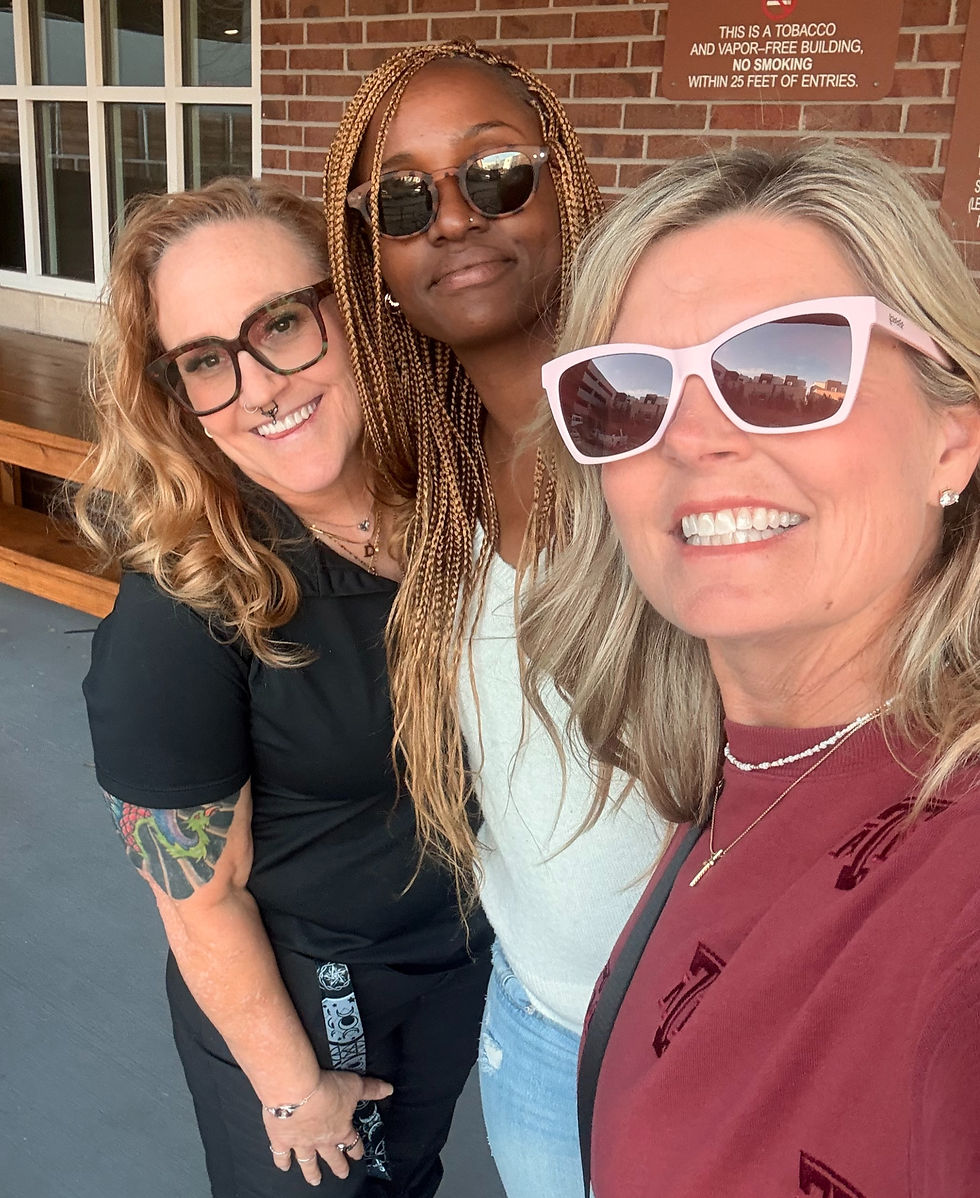
Dawn LaQuay, Women’s Program Manager, sees Phase 1 as a time when Residents begin building trust in themselves, in the program, and in the people walking alongside them. “In those first 30 days, we’re not asking someone to have everything figured out,” Dawn said. “We’re helping them find stability, build trust, and take the first real steps toward a different life.”
A Foundation Supporters Help Build
For supporters, Phase 1 is an important part of the story to understand. Recovery does not happen in one big moment. It happens in the small decisions made every day, supported by people who believe change is possible.
The earliest days of recovery are often the most fragile. That is why structure and community matter so much. At Dallas 24 Hour Club, Phase 1 helps turn crisis into stability and stability into possibility.
Phase 1 is only the beginning. With each step forward, Residents continue building the stability, life skills, and sober support they need to move into Phase 2, Phase 3, and a life of long-term recovery.


